Short Biography
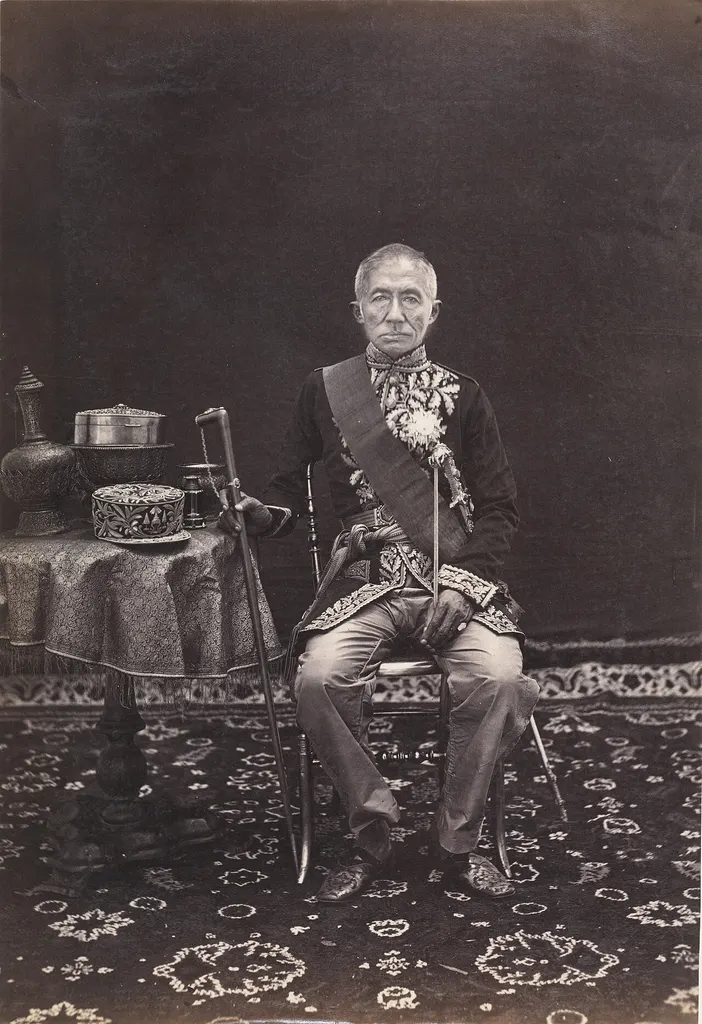

Mongkut
Names
Native name: พระบาทสมเด็จพระจอมเกล้าเจ้าอยู่หัว
Also known as: Rama IV, Zheng Ming, Menggeketuo, Phrabat Somdet Phra Chomklao Chao Yu Hua, Maṅkuṭa
1804-10-18
•
Birth Sign:
Libra

Find a relation with Mongkut
Interesting facts
Quick Answers
Mongkut is 63 years old.
Mongkut was born on 1804-10-18.
Mongkut's birth sign is Libra.
Mongkut was born in Thonburi Province.
Notable awards Mongkut has won include Order of the Nine Gems, Order of the White Elephant.
People profiles can show a bio, tags, news, social handles, and profile snapshots. Some profiles also include Relations and quiz features.
Use the Privacy Request, Contact, or Report options to request review, correction, suppression, or removal of public data.

 Sign in with Google